Obesity Surgery

Also called Bariatric Surgery | Surgery to help with severe weight problems and related health issues

What Is Obesity Surgery?

Obesity surgery is surgery that helps people who are very overweight lose weight in a lasting way. It works by making the stomach smaller, by changing how the body absorbs food, or both. It is not only about losing weight. It can also improve health problems linked to excess weight, such as diabetes, high blood pressure, sleep apnea, and joint pain.

Who Is It For?

Adults with a BMI of 40 or above
Adults with a BMI of 35 or above, along with health problems such as diabetes, high blood pressure, or joint pain
People who have tried other weight loss methods without lasting success

A full check-up is done before any surgery is suggested. It is recommended only when it is the right choice for that person.

Types of Surgery

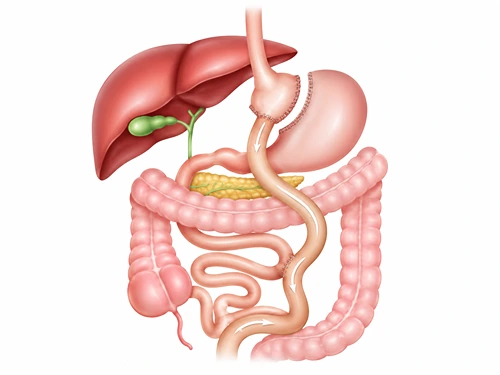
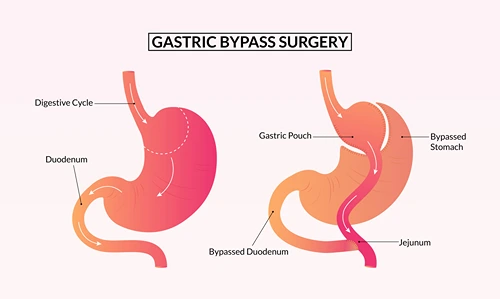
Gastric Bypass

A full check-up is done before any surgery is suggested. It is recommended only when it is the right choice for that person.

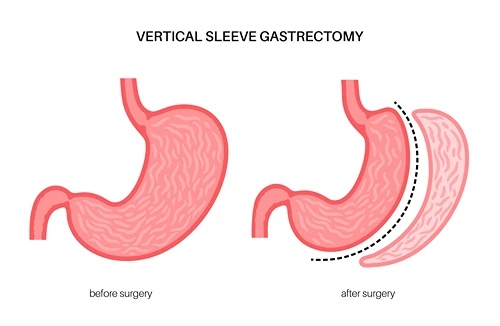
Sleeve Gastrectomy

A large part of the stomach is removed, leaving a smaller, tube-shaped stomach. This reduces how much a person can eat and also lowers the hunger hormone, so appetite goes down too.

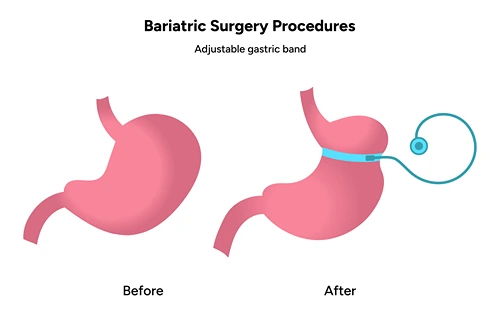
Adjustable Gastric Band

A band is placed around the upper stomach to create a small pouch that limits food intake. It can be adjusted later and can also be reversed. Weight loss is usually slower than with bypass or sleeve surgery.

Duodenal Switch (BPD/DS)

A more advanced surgery for severe obesity. It combines sleeve surgery with rerouting of the intestine, giving the most weight loss of all options. It needs close nutrition monitoring afterward.

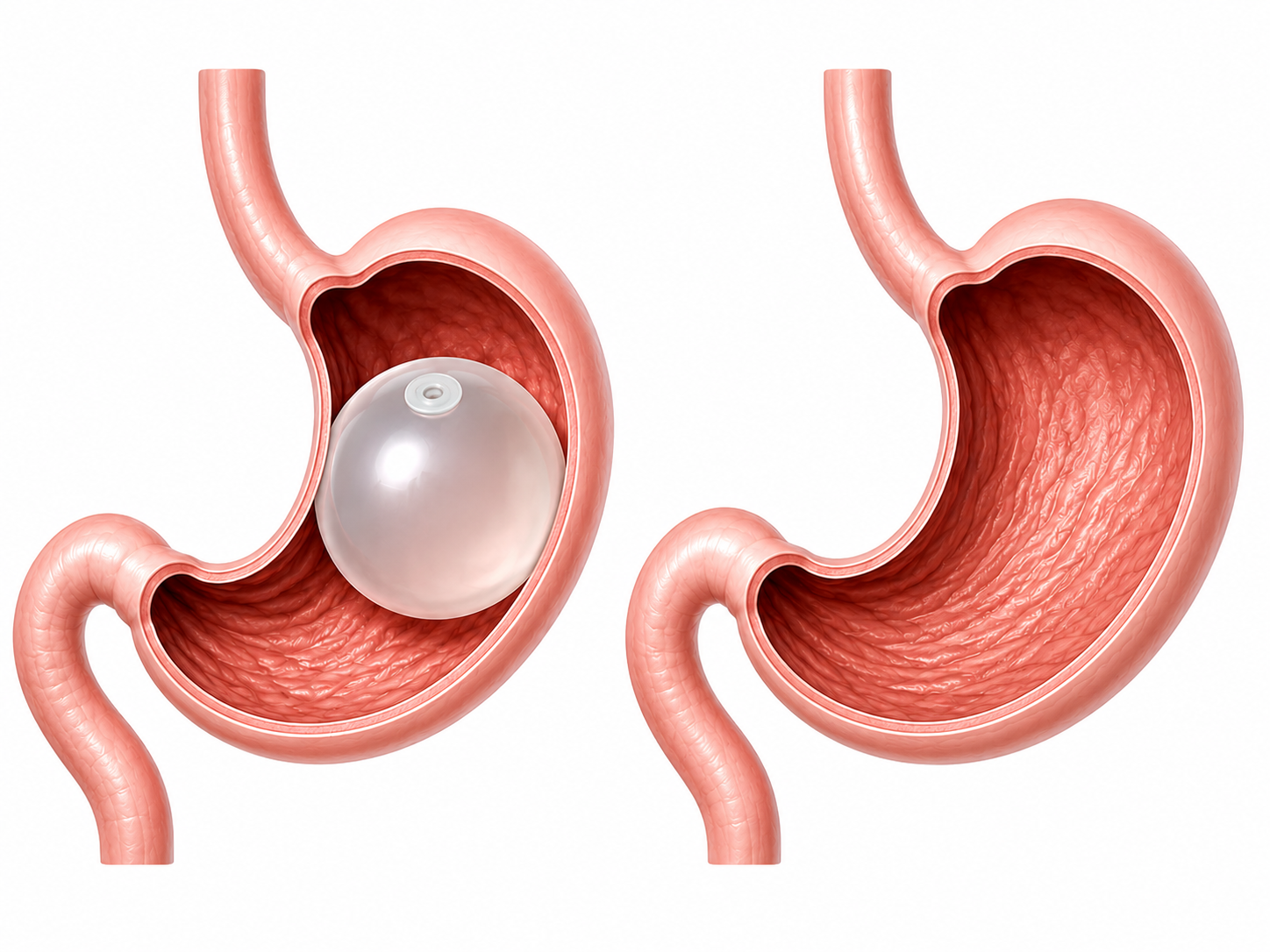
Intragastric Balloon

A non-surgical option where a balloon is placed in the stomach for a limited time to reduce hunger. It is suitable for patients who are not ready for, or do not need, surgery.
Benefits
  • Significant, lasting weight loss with the right lifestyle changes
  • Better control of diabetes for many patients
  • Lower blood pressure
  • Better sleep and breathing
  • Less joint pain and easier movement
  • Improved confidence and quality of life
Risks and Recovery

As with any surgery, there are risks, including infection and nutrient deficiencies. Long-term success depends on healthy eating, exercise, and regular follow-up visits.

Recovery time depends on the procedure. Most patients are up and moving within a few days, with a gradual return to normal activity over the following weeks.
Why Dr. Chaudhari
  • Performed KEM Hospital's first Gastric Bypass surgery
  • Pioneer of bariatric surgery at KEM Hospital, Mumbai
  • Experienced in laparoscopic (minimally invasive) techniques
  • Honest, patient-first guidance with long-term follow-up

Frequently Asked Questions

Is this surgery safe?
Will my diabetes get better?

Many patients see major improvement in type 2 diabetes after surgery. Results vary from person to person.

How much weight will I lose?
Book a consultation to find out which option suits you.
Ready to reclaim your health and confidence? Achieve lasting weight loss and improve conditions like diabetes. Get consultation with Dr. Chaudhari today for honest, expert, patient-first bariatric guidance.
Free Consultation
Drag
Scroll
Close
DrSadashiv Logo
Expert hernia treatment with minimally invasive surgical techniques designed for safer procedures, quicker healing, and smooth recovery. Delivering trusted surgical care for inguinal, umbilical, ventral, and recurrent hernia cases.